Martini
Ingredients for a Martini
- Gin 1 2/3 oz
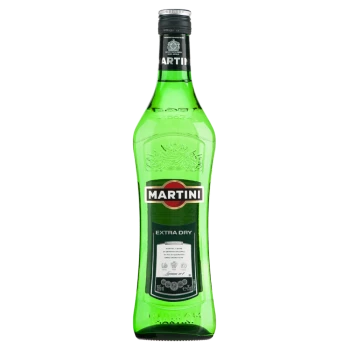
- Dry Vermouth 0.33 oz (10 ml)
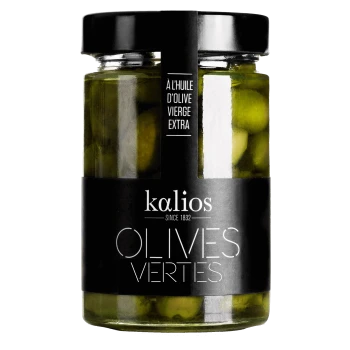
- Olive 1
How to make a Martini
What to eat with a Martini
A classic Dry Martini pairs beautifully with delicate and nuanced dishes that highlight its crisp, herbal notes. For an elegant pre-dinner experience, consider a plate of fresh oysters or smoked salmon with crème fraîche and capers. The briny freshness of the seafood complements the gin's botanical complexity without overwhelming it. A light cheese platter featuring goat cheese or brie also works well, as these cheeses have enough character to stand up to the cocktail but remain harmonious with its dry finish. For a more substantial pairing, seared scallops with lemon butter sauce can enhance the citrus and herbal elements of the martini while maintaining balance.
Tasting notes Martini
Appearance:
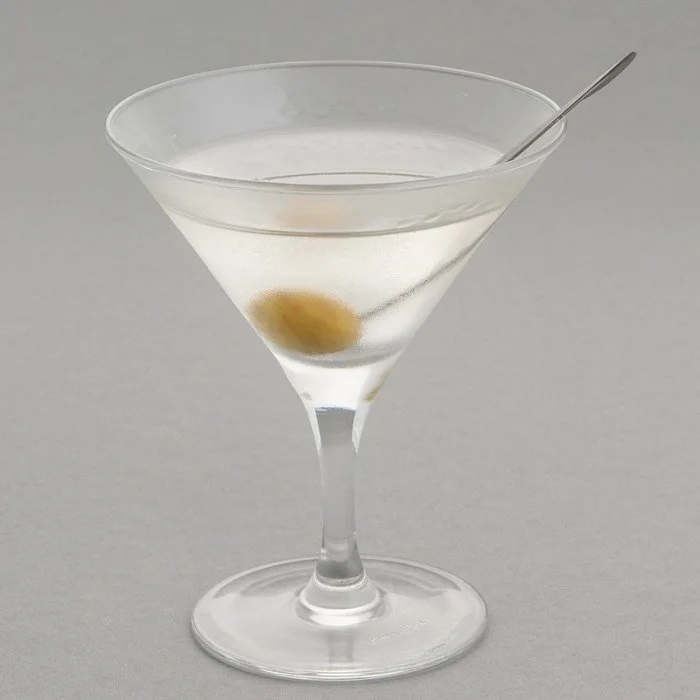
The classic martini presents itself in an elegant coupette glass as a crystalline elixir of pale straw color, with a slight translucence that hints at its clarity. A thin film clings to the inside rim of the glass, indicative of its delicate viscosity, while the olive floats serenely atop, adding a pop of green and a subtle promise of briny complexity.
Aroma:
On first inhalation, an immediate assault of botanicals—juniper berries leading the charge with their piney, resinous character—is met by the dry vermouth’s nuanced contribution of dried herbs and citrus peel. As one breathes deeper, layers of coriander and cardamom unfold, while a whisper of orange zest dances on the edges. The aromatics evolve gracefully from sharp to sophisticated, inviting further exploration with each subtle shift.
Palate:
Upon sipping, the initial entry is brisk and invigorating, dominated by gin’s assertive juniper notes that cut through the palate with precision. Mid-palate reveals a more complex interplay of herbal and citrus flavors, where the dry vermouth introduces its own spectrum of complexity—a gentle bitterness from botanicals mingles seamlessly with a refreshing tanginess. The texture is smooth yet lively, allowing each element to shine before integrating into a balanced ensemble that neither overpowers nor underwhelms.
Finish:
The finish is long and lingering, leaving behind a trail of botanical warmth and subtle brininess courtesy of the olive’s contribution. Notes of juniper and citrus peel continue to resonate, creating an impression of refined sophistication that lingers on the palate for minutes after consumption. It’s a testament to the cocktail’s intricate balance and the artistry involved in its creation.
You might also like



Explore the key ingredients of the Martini
Discover these cocktails